“We recycle” is easy to put on a website and harder to actually do. Here is what happens to a load after it leaves your building, stream by stream, why the sorting step matters more than anything else, and what you can do before collection day to keep more of your junk out of landfill.
Everything gets sorted first
A mixed load goes back to our yard and gets separated before anything moves on. Once materials are mixed and compacted, almost nothing can be recovered, which is why companies that tip straight into a general skip cannot honestly claim to recycle.
Sorting is slow, physical work. A two-bedroom clear-out can produce six or seven separate piles: reusable furniture, metal, appliances, electronics, timber, cardboard and general waste. Each pile goes to a different place, and each has its own rules.
Furniture in usable condition
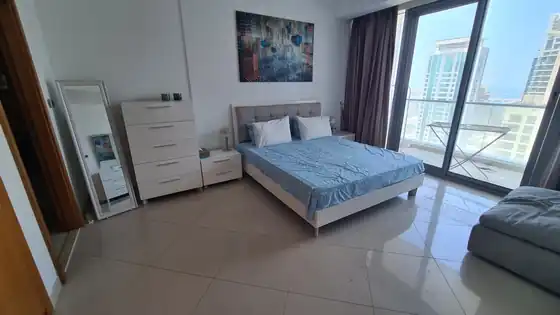
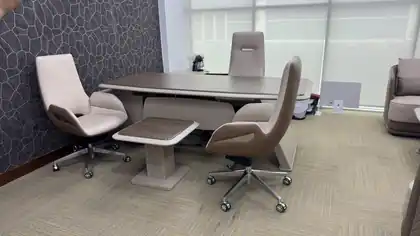
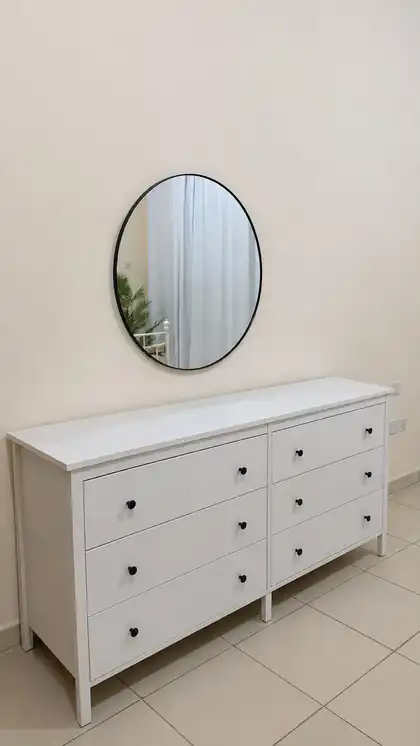
A sofa with clean upholstery and a solid frame has years left in it. Usable furniture goes to UAE charity partners and labour accommodation suppliers rather than to landfill. This is the biggest win in most household loads, because furniture is bulky and takes a very long time to break down.
What makes a piece reusable is simple: it is clean, it is structurally sound, and it is complete. A dining table with all its legs is reusable. The same table with a split top usually is not, and it gets broken down for its timber and metal instead.
Metal
Metal is the easiest material to recycle and has real scrap value. Bed frames, appliance housings, filing cabinets, aluminium window frames and pipework all go to scrap processors and re-enter the supply chain.
Appliances
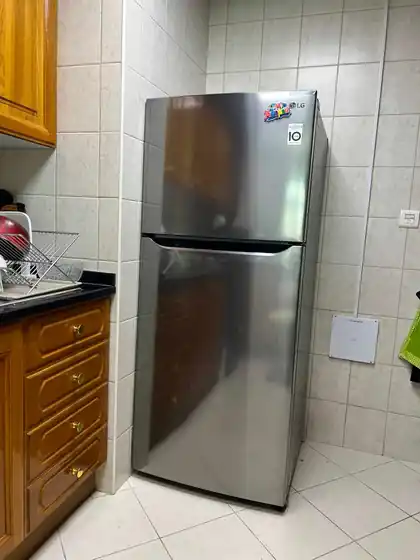
Fridges and air conditioners cannot simply be crushed. They contain refrigerant gases that must be drained and captured by a licensed handler before the metal shell is recycled. Washing machines and ovens are more straightforward and are stripped for metal and motors.
Electronics
TVs, monitors, computers and cables go to licensed e-waste processors. These contain both hazardous material and genuinely valuable metals, so this stream is tightly controlled. If you are disposing of anything that stored data, say so when you book and we will handle it accordingly.
Mattresses
Mattresses are one of the hardest household items to deal with. Charities rarely accept used ones for hygiene reasons, and they are bulky, springy and made of several bonded materials. Where possible the steel springs are recovered for scrap. Mattresses that are soiled or badly damaged go to landfill, and we would rather tell you that than pretend otherwise.
Cardboard and packaging
New handovers and big deliveries produce mountains of cardboard, foam and plastic wrap. Clean, dry cardboard is one of the most recyclable things in any load. Wet or food-stained cardboard is not, so if you are storing boxes on a balcony before collection, keep them covered.
Construction debris
Concrete, tiles and rubble are crushed and reused as aggregate and hardcore. Clean timber is chipped. This stream is heavy, which is why it is priced by weight rather than volume.
Green waste
Palm trimmings, branches and grass cuttings go for composting where the facility accepts them. Garden-heavy communities such as Jumeirah Park and Islands and Arabian Ranches produce most of this stream.
Clothes and textiles
Clean clothing, shoes and bedding in wearable condition are best dropped into the clothing donation bins found in many UAE malls and residential communities. It takes five minutes and means they reach people directly. Heavily worn or soiled textiles have very little reuse value.
What genuinely cannot be recovered
Some things go to landfill honestly: contaminated mixed material, broken laminates, heavily soiled textiles and mattresses in poor condition. Anyone claiming a hundred per cent diversion rate is not being straight with you.
What we do not collect
Chemicals, paint solvents, asbestos, medical waste and loose batteries need specialist handling and should never go into a general clearance load. If you have any of these, keep them separate and we can point you in the right direction.
How you can help before collection day
- Keep reusable furniture clean and dry. A sofa left on a dusty balcony for a week can drop from reusable to scrap.
- Tell us about fridges and air conditioners. They go on a separate route for refrigerant recovery.
- Wipe or remove data from devices. Laptops, phones, hard drives and even some printers store personal information.
- Keep cardboard dry and flattened. It recycles far better and takes less truck space, which also lowers your price.
- Separate anything hazardous. Paint, chemicals and batteries should not be mixed into the load.
Ask for the paperwork
We are a licensed waste transporter and issue a disposal certificate with every job. For a household clear-out it is nice to have. For an office clearance or a fit-out it is often required, so ask for it up front.
Frequently asked questions
Does junk removal in the UAE actually get recycled?
A good share of it does, if the load is sorted. Metal, appliances, electronics, clean timber, cardboard, rubble and usable furniture can all be recovered. Mixed, contaminated or badly damaged material still goes to landfill.
What happens to my old fridge or air conditioner?
The refrigerant gas is drained and captured by a licensed handler first. After that, the metal casing and parts are recycled.
Is my old furniture donated?
Clean, sound and complete furniture goes to charity partners and accommodation suppliers for reuse. Broken or stained pieces are broken down for their metal and timber instead.
Can I get proof that my junk was disposed of legally?
Yes. We issue a disposal certificate with every job, which offices, fit-out contractors and some landlords need.
What items can you not take?
We do not collect chemicals, paint solvents, asbestos, medical waste or loose batteries. These need specialist disposal and should be kept out of a general clearance load.
Get in touch if you need documentation for a commercial clearance, or send photos on WhatsApp for a fixed price.